3D printing with fluids and pastes: Technology insights, application examples, and expert exchange at the Customer and Innovation Center
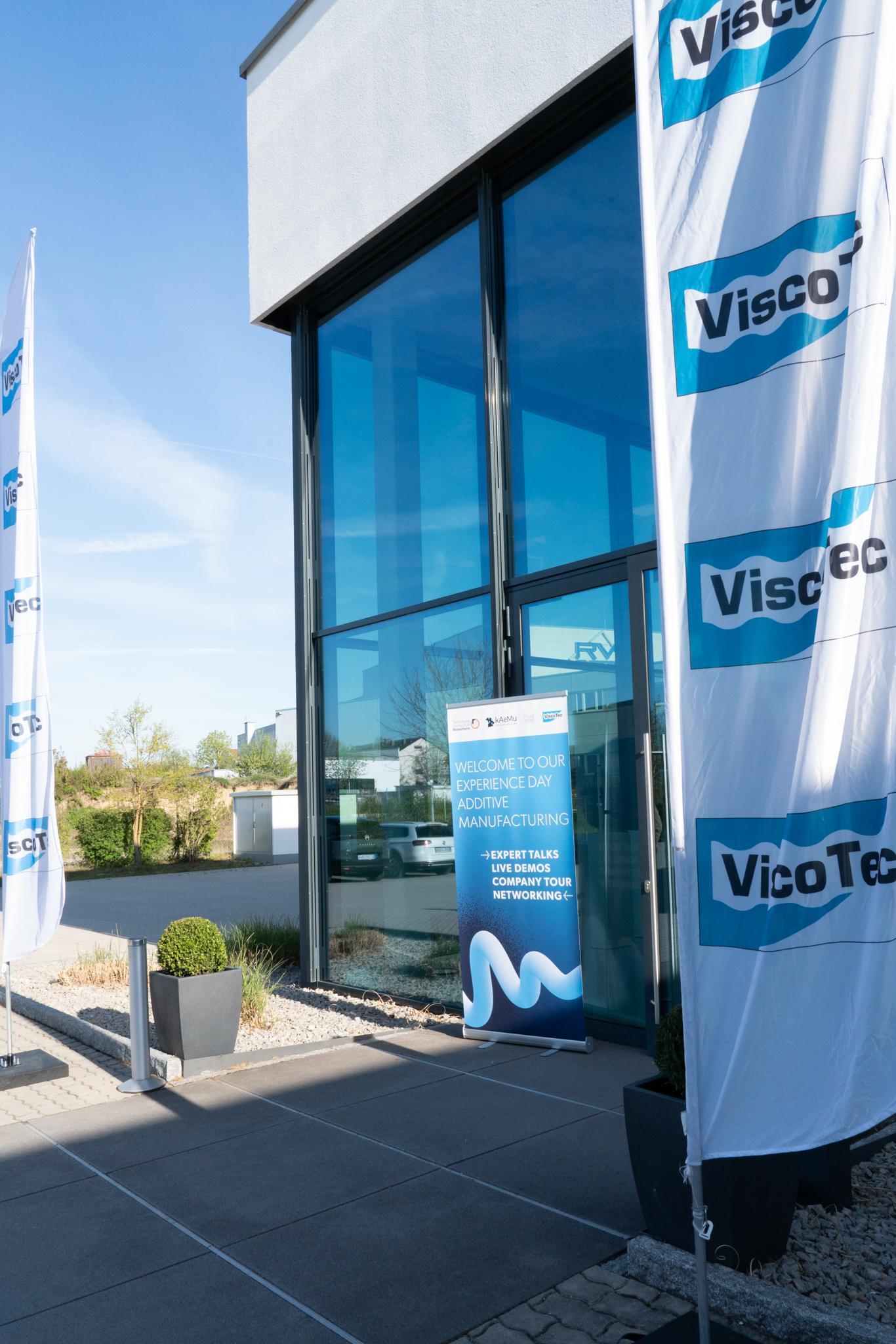
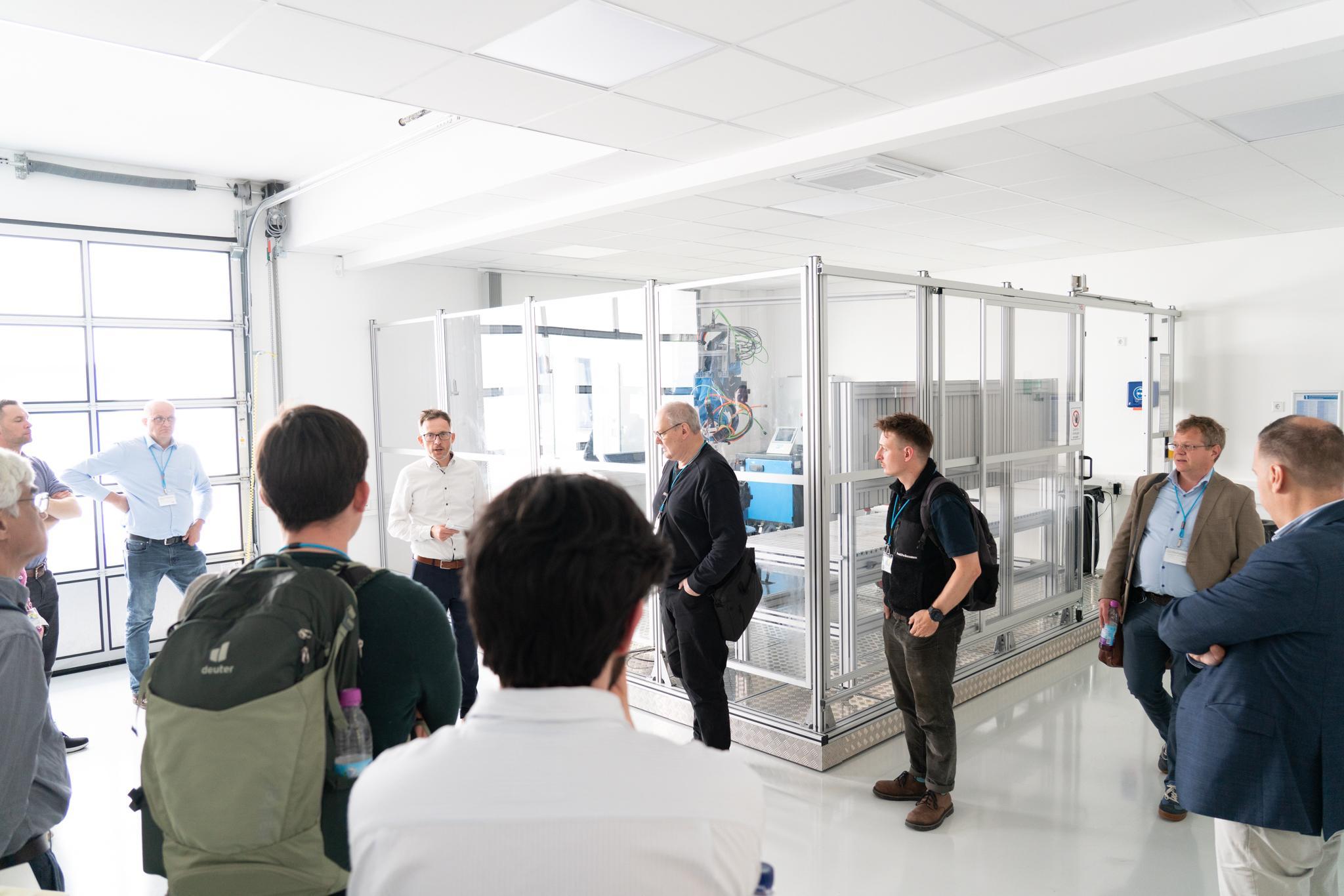
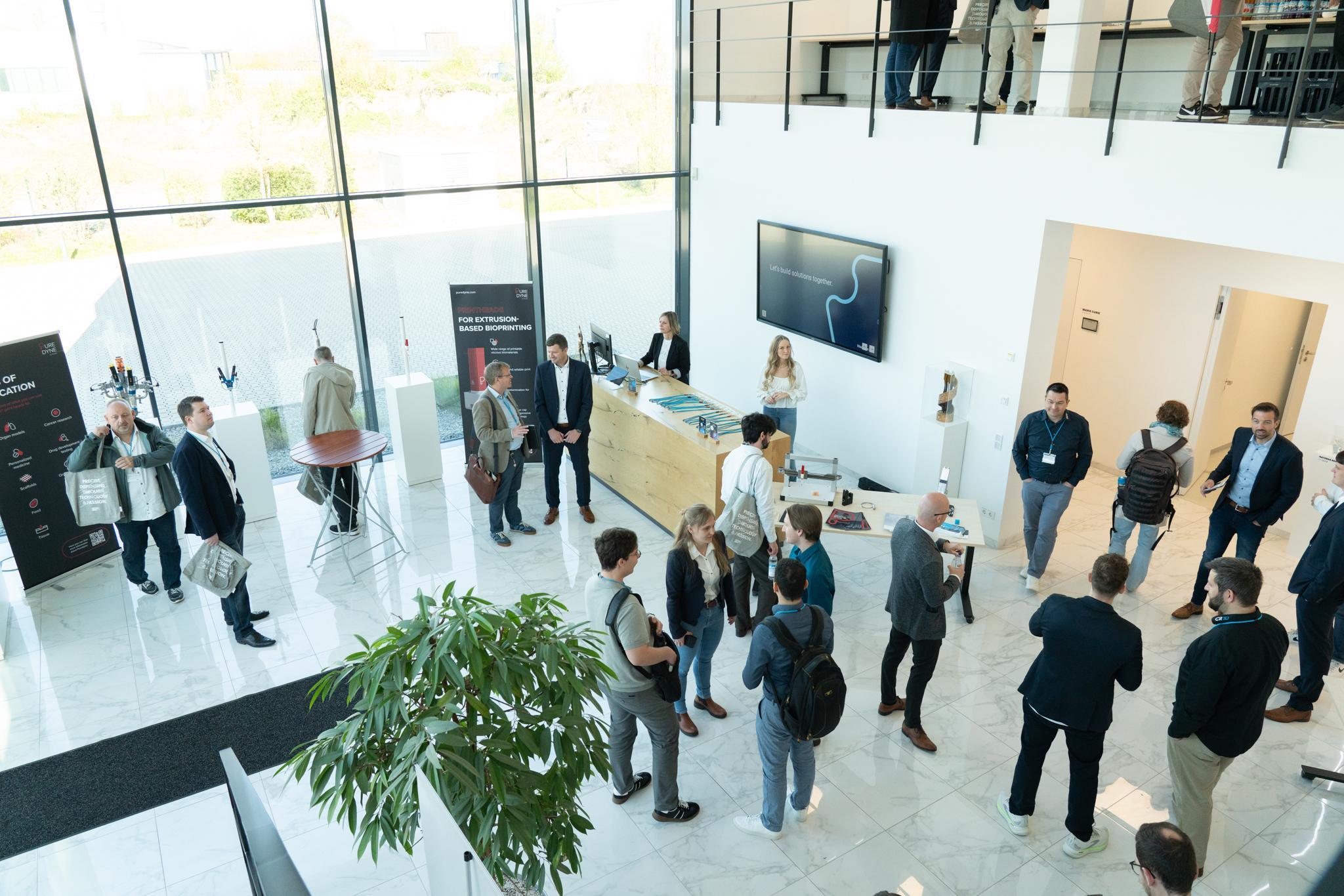
On April 23, 2026, ViscoTec Pumpen- u. Dosiertechnik GmbH hosted its “Additive Manufacturing Experience Day” at the Customer and Innovation Center (CIC) in Töging am Inn. The full-day event brought together users, developers, and representatives from research and academia, with a clear focus on the additive processing of liquid and paste-like materials.
Johanna Bruckhuber of ViscoTec, who played a leading role in organizing the Experience Day, offered a positive assessment: “It was important to us to create a day that would not only highlight fluid-based additive manufacturing, but make it tangible across the entire process chain – from material feed and dispensing technology to the finished component. Close collaboration among mechanical engineering companies, research institutions, and end users is what enables practical, reliable applications in fluid 3D printing.”
A key focus of the event was progressive cavity pump technology, which enables precise and reproducible material application in additive manufacturing – particularly for demanding materials such as silicones, polyurethanes, conductive or abrasive pastes, ceramic materials, and biological substances. One message became clear throughout the day: Fluid 3D printing is increasingly establishing itself as a key technology across a broad range of applications.
Presentations and live demonstrations covered industrial and scientific use cases as well as forward-looking fields such as 3D bioprinting. Examples included 3D-printed silicone organ models for surgical planning and training, along with service applications involving RTV silicones and liquid silicone rubber (LSR) for prototyping, spare parts, small production runs, and customized medical technology solutions.
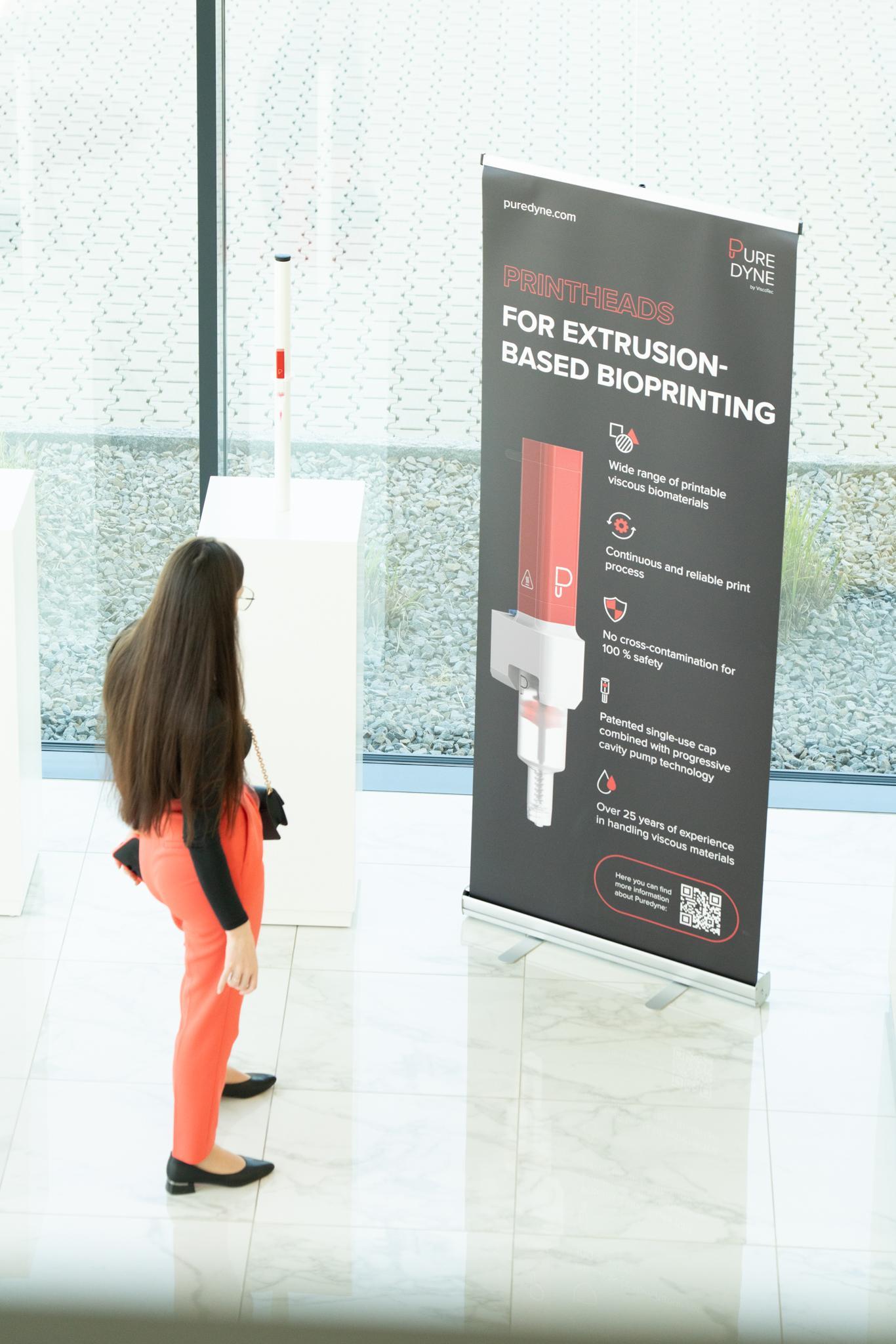
Materials-related topics were also explored in depth. In medical applications, biocompatibility and process reliability are essential requirements. At the same time, very high viscosities – such as those of LSR – place particular demands on dispensing technology. In bioprinting, gentle processing is critical because living cells are involved, making low-shear handling a decisive factor. This is exactly where ViscoTec’s solutions are especially well suited, including both the autoclavable Medical Grade series and the Puredyne Kit b, which was developed specifically for bioprinting. The products in ViscoTec’s Medical Grade series contain FDA-compliant polymers and are designed specifically for hygienic processes. In addition, they operate with virtually no shear and have already proven themselves in numerous dispensing applications involving highly viscous materials.
On the applications side, solutions involving 2-component silicones were a central focus, and interest in ViscoTec’s 2-component printhead was correspondingly high. Beyond the applications themselves, many discussions centered on typical challenges in fluid 3D printing, including degassing – especially for silicones – material handling, and cleanability. Visitors also gained insight into how standard material feed and preparation systems, such as vipro-FEED M and degassing solutions, can be combined with the printheads. For bioprinting applications, the Puredyne Kit b was also highlighted as a suitable solution.
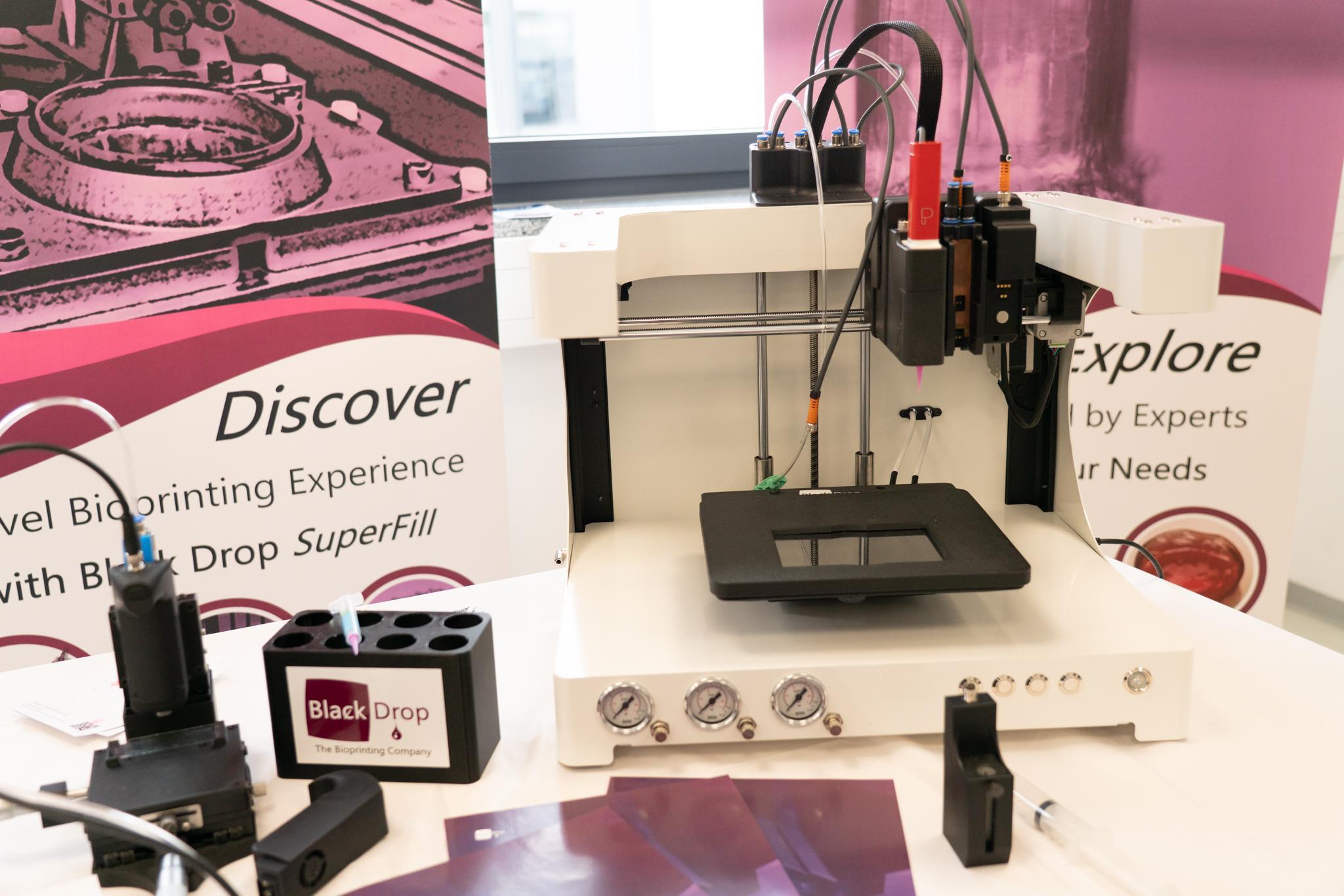
“The Experience Day demonstrates just how versatile additive manufacturing has already become today – from industrial applications to 3D bioprinting. It is especially inspiring to see how rapidly interest is growing in medical applications and in the printing of living cells. This is precisely where technologies are emerging that have the potential to transform medicine over the long term. As a specialist and manufacturer of 3D bioprinting systems, we are actively helping shape this field of the future and are pleased to present our innovative solutions to a broad audience as part of the event,” said Jannik Stadler, Head of Bioprinting Consumables and Services at BlackDrop.
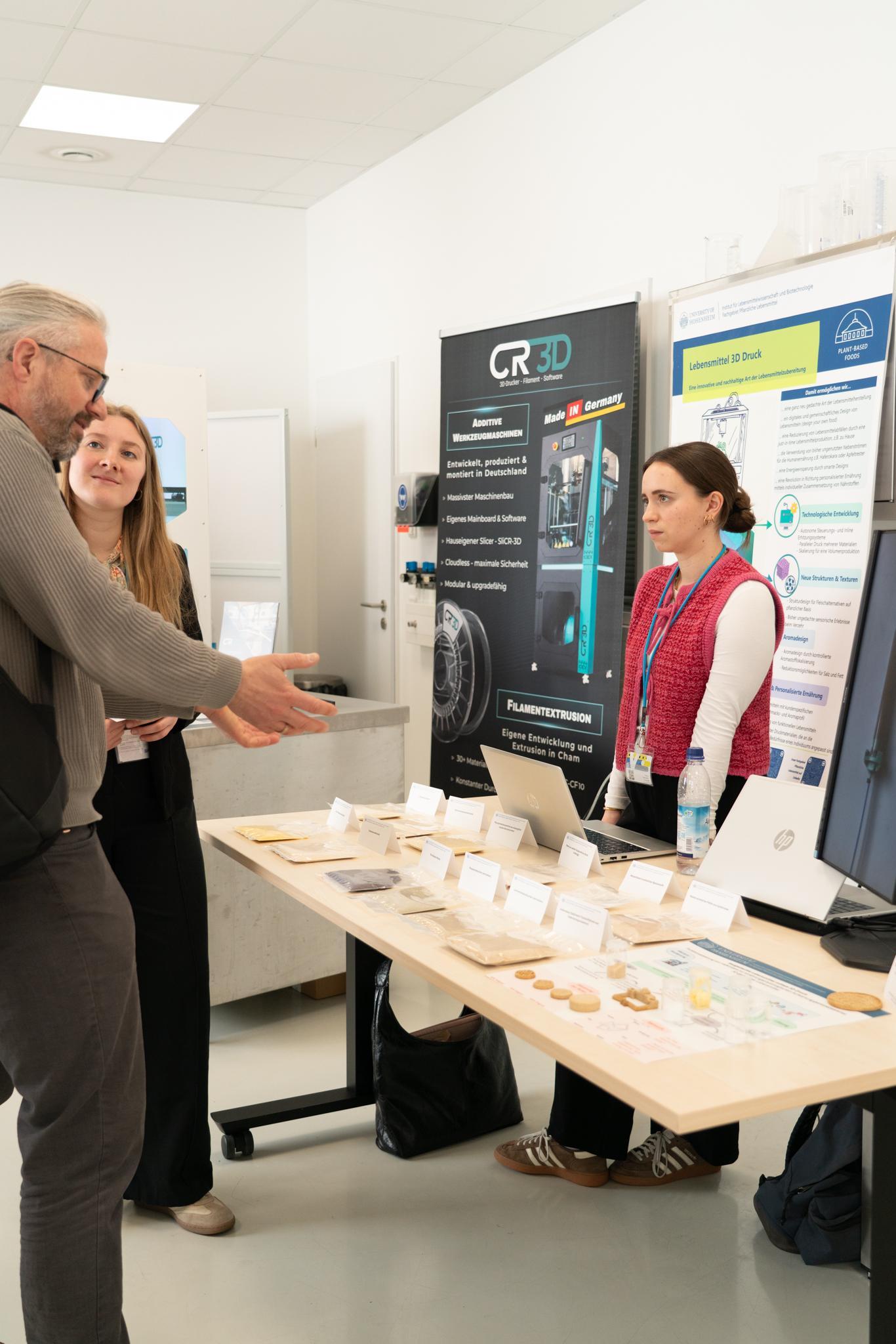
“For us, 3D printing with fluids and pastes plays a major role primarily in prototype production – for example, when one or two components need to be tested quickly and under realistic conditions. At the same time, we are seeing growing interest in series production. The key challenge in the coming years will be scaling the technology economically in terms of time, quality, and reproducibility. The wide variety of materials and applications is both a challenge and an opportunity,” said Benedikt Daschner, Quality Manager and Developer in Additive Manufacturing at CR-3D.
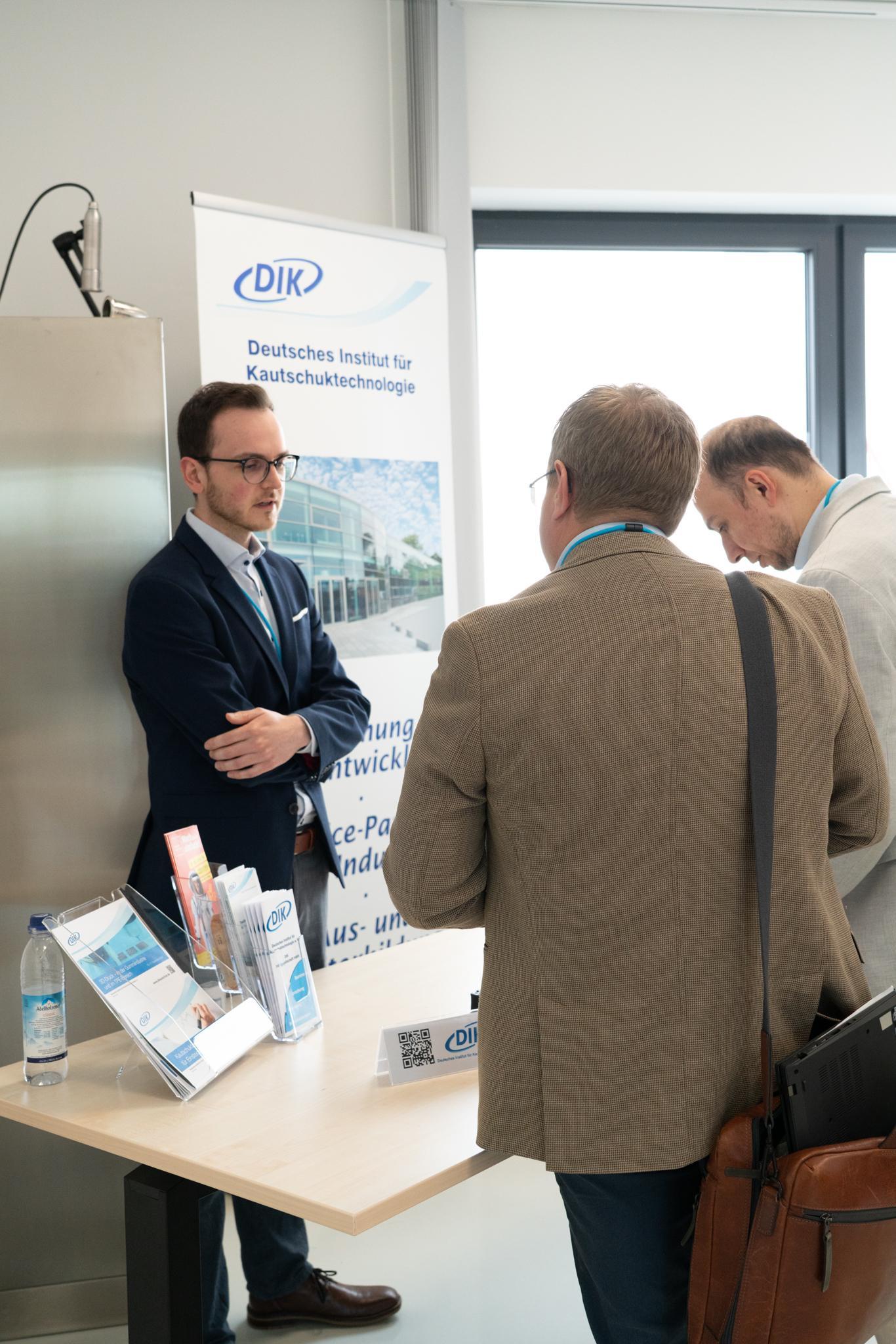
Rosenheim Technical University of Applied Sciences participated as a cooperation partner and presented the Bavarian network kAeMu – 3D Printing for Bavaria’s SMEs. The network’s goal is to qualify employees at Bavarian small and medium-sized enterprises in the field of additive manufacturing. kAeMu will conclude this summer, and its successor project, ESF_MEDAM, was introduced as a program designed to further strengthen the use of additive manufacturing technologies in industrial medical technology.
“The ViscoTec Experience Day was an exceptionally valuable event from my perspective. Experiences like this represent exactly what we strive to achieve at the university, as they foster a high level of engagement and meaningful exchange between companies. This is important in emerging fields such as fluid-based 3D printing, where collaboration and knowledge sharing play a key role in advancing the technology,” emphasized Chad Copperthite of Rosenheim Technical University of Applied Sciences.
Brief conclusion: Additive manufacturing with fluids and pastes expands the scope of 3D printing, particularly where functional materials such as silicones, pastes, or ceramic materials are required. The Experience Day highlighted both the technological requirements and practical applications of this approach – and underscored that medical technology and bioprinting are among its most dynamic fields of application.